
Patent Infringement
A patent grants its owner the exclusive right to use, make, sell, and license the patented invention for a maximum period of twenty years from the patent's filing date. Patent infringement occurs when someone uses, makes, sells, or distributes a patented invention without the owner’s permission.
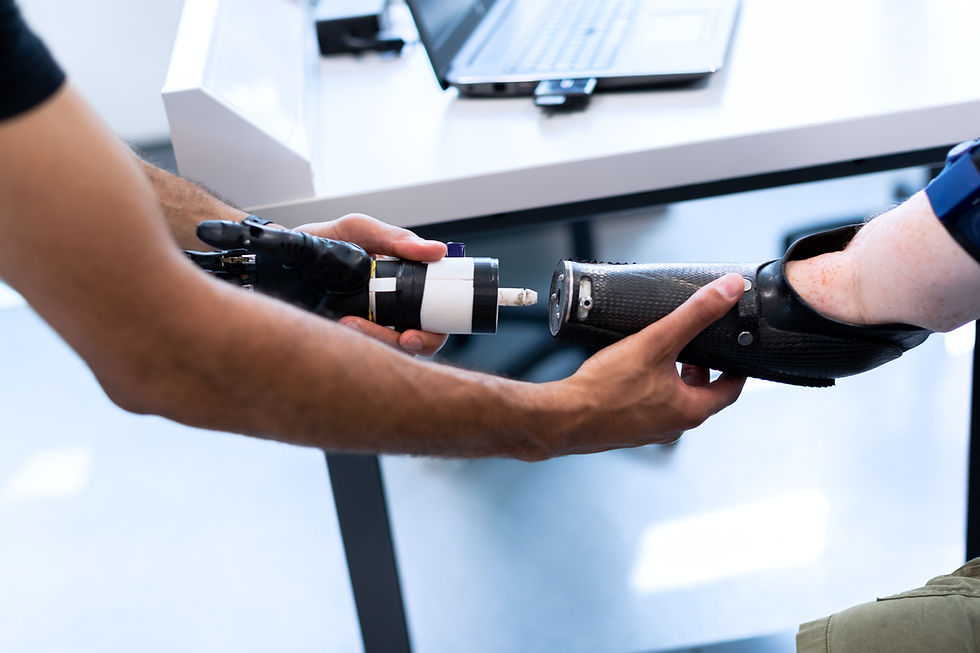
Patent infringement can take several forms.
One type of infringement is literal infringement, which happens when all the elements of a patent claim are precisely replicated in the infringing product or process.
Another type is infringement under the doctrine of equality, which occurs when the infringing product or process does not literally infringe on the patent claims but performs a similar function in a similar way to achieve similar results as those described in the patent claims.
Types of Patent Infringement
Direct infringement
occurs when a person or entity directly makes, uses, sells, or offers to sell a patented invention without the authorization of the patent owner.
Contributory infringement
occurs when a person or entity supplies or imports a component specially made or adapted to infringe a patented invention.
Induced infringement
occurs when a third party actively encourages or assists another party to infringe a patent, for instance, by providing instructions or equipment enabling infringement of the patent.
Various legal remedies for patent infringement aim to compensate the patent owner and deter others from infringement.
Patent Infringement Remedies
Monetary Damages
Monetary damages paid to the patent holder may cover lost profits or unpaid royalties if the infringer had obtained a license.
Temporary Injunction
A temporary injunction is a court order that stops an alleged infringer from continuing the alleged infringing activity until the patent infringement claim is decided, the injunction requiring the plaintiff to demonstrate irreparable harm, the insufficiency of monetary damages to compensate the patent owner, and that a grant of the temporary injunction would balance the hardships while not harming the public interest.
Legal Costs
Legal costs, including attorney fees, may be awarded if the court finds the infringement willful.
The Patent Trial and Appeal Board (PTAB) is an alternative to federal court for third parties to challenge the validity of a patent.
Post-Grant Patent Proceedings
Post-Grant Review
A post-grant review request challenging a patent’s validity based on prior art, lack of novelty, obviousness, or insufficient disclosure filed within nine months of the patent’s issuance may be granted by the PTAB if it is shown that at least one challenged claim is more likely than not to be deemed unpatentable.
Ex Parte Reexamination
An ex parte reexamination request challenging a patent’s validity based on other patents and printed publications may be filed by the patent owner or a third party with the PTAB. If a significant question of validity is found, the patent owner may modify or cancel the contested claims to overcome the issues without increasing the scope of the patent.
Inter Partes Review
An inter partes review request challenging a patent’s validity based solely on patent and printed publications filed with the PTAB from nine months after the patent's issuance may be granted if there is a reasonable likelihood that a challenge on at least one claim will prevail.
Derivative Proceeding
A derivative proceeding may be initiated at the PTAB by a person who believes that an inventor listed on a patent derived the invention from that person and the listed invention filed a patent application for that same invention before that person.
Patent Infringement FAQ
What is patent infringement?
What are the different types of patent infringement?
What is the difference between literal infringement and the doctrine of equivalents?
What is contributory patent infringement?
What remedies are available for patent infringement?
What PTAB post-grant proceedings are available to challenge a patent's validity?
What is inter partes review (IPR), and when should I use it?
What should I do if I receive a patent infringement claim against my business?
What is ex parte reexamination, and how does it differ from IPR?
Is it a myth that modifying a patented invention slightly avoids infringement?
Patent Infringement FAQ
What is patent infringement?
Patent infringement occurs when someone makes, uses, sells, offers for sale, or imports a patented invention within the United States without the patent owner's authorization during the patent's term — up to 20 years from the filing date. Infringement is defined by the patent's claims, making careful claim analysis essential to any enforcement or defense strategy. Learn about patent protection or contact TCP Law to evaluate a potential infringement situation.
What are the different types of patent infringement?
Patent infringement takes several forms. Literal infringement occurs when all elements of a patent claim are precisely replicated. Infringement under the doctrine of equivalents occurs when a product performs a substantially similar function in a similar way to achieve similar results. Direct infringement involves making or selling the patented invention without authorization. Contributory infringement involves supplying components specially adapted for infringement. Induced infringement involves actively encouraging another party to infringe. Contact TCP Law to assess your situation.
What is the difference between literal infringement and the doctrine of equivalents?
Literal infringement requires every element of a patent claim to be precisely replicated in the accused product or process. The doctrine of equivalents extends liability to products that don't literally copy the claims but perform a substantially similar function in a substantially similar way to achieve substantially similar results — preventing competitors from making minor changes to avoid infringement. Both theories are evaluated element by element. Contact TCP Law for a professional infringement analysis.
What is contributory patent infringement?
Contributory infringement occurs when a party supplies or imports a component specially made or adapted for use in infringing a patented invention — even without directly making the patented product. The component must be specifically designed for the infringing use; supplying a generic multi-use part does not typically qualify. Similarly, induced infringement — providing instructions or equipment that enable another party to infringe — also carries liability. Contact TCP Law to evaluate your exposure.
What remedies are available for patent infringement?
Patent infringement remedies include: monetary damages covering lost profits or unpaid royalties; a temporary injunction stopping the infringing activity while the case is decided; and attorney's fees if the court finds infringement was willful. To obtain a temporary injunction, the patent owner must demonstrate irreparable harm and that monetary damages alone are insufficient. TCP Law handles patent enforcement and can assess your remedies. Send a cease and desist letter as a first step or contact TCP Law.
What PTAB post-grant proceedings are available to challenge a patent's validity?
The PTAB offers four post-grant proceedings. Post-grant review (PGR) must be filed within nine months of issuance. Inter partes review (IPR) is filed after nine months and challenges validity based on patents and printed publications. Ex parte reexamination can be filed at any time by the patent owner or a third party. A derivative proceeding addresses inventorship disputes. Read about PTAB reforms or contact TCP Law.
What is inter partes review (IPR), and when should I use it?
Inter partes review (IPR) is a PTAB proceeding allowing a third party to challenge an issued patent's validity based on prior art in the form of patents and printed publications. Filed nine months after issuance, IPR is granted when there is a reasonable likelihood the petitioner will prevail on at least one claim. It is commonly used by accused infringers as a faster, less costly alternative to raising invalidity in federal court. Contact TCP Law to discuss filing an IPR petition.
What should I do if I receive a patent infringement claim against my business?
First, have a qualified patent attorney analyze the asserted patent's claims against your product. Infringement requires every claim element to be present — literal or equivalent. Strong defenses may exist, including non-infringement, invalidity based on prior art, or unenforceability. Options include licensing, IPR challenge, designing around the patent, or federal court defense. Contact TCP Law immediately for an assessment.
What is ex parte reexamination, and how does it differ from IPR?
Ex parte reexamination challenges a patent's validity based on other patents and printed publications and can be filed by the patent owner or a third party at any time. Unlike inter partes review, the third-party requester has limited involvement after initiation. The patent owner may modify or cancel contested claims to overcome issues without increasing scope. Read about PTAB jurisdiction over expired patents or contact TCP Law for guidance.
Is it a myth that modifying a patented invention slightly avoids infringement?
Yes — the doctrine of equivalents exists precisely to address this. Minor modifications that don't fundamentally change how an invention works are unlikely to avoid infringement if the product performs a substantially similar function in a substantially similar way. Additionally, contributory and induced infringement extend liability beyond direct copying. Whether a modification avoids infringement requires a careful claim-by-claim analysis. Contact TCP Law before making product changes based on this assumption.
How TCP Law Can Help
Employing the services of a patent attorney at TCP Law will help you effectively enforce your patent rights. A knowledgeable and experienced patent attorney will also help you evaluate and address any patent infringement claims that have been asserted against you.
If you have general patent questions or want to discuss your specific patent matter, please contact me at john@tcplawfirm.com or at 917-612-1059.


